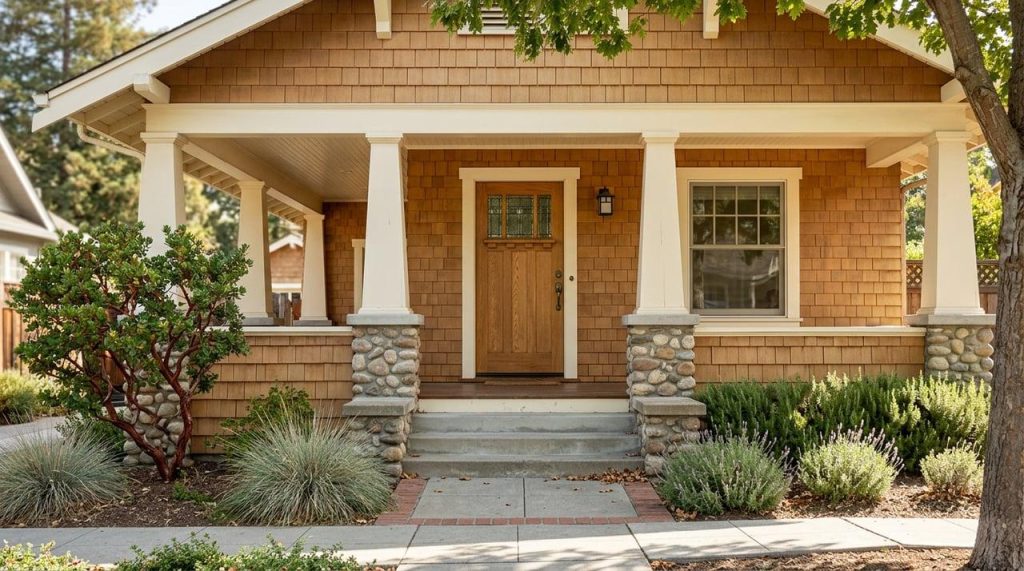
A modest wood-sided home on Lemon Street in Riverside is receiving renewed attention in 2026. On September 1, the City of Riverside announced a $60,000 grant for Harada House preservation, supporting the next stage of work on a building connected to one of California’s early civil rights victories.
Harada House may look like an ordinary early twentieth-century residence, but its story reaches far beyond Riverside. It connects Japanese American immigration, the right of U.S.-born children to own property, forced incarceration during World War II, and decades of efforts to save places that tell overlooked parts of California history.
The latest grant gives preservationists another way to protect the house while preparing it for future public interpretation.
Why Harada House Is Back in the News in 2026
The City of Riverside’s September 2026 announcement confirms that the Museum of Riverside received $60,000 through the Placekeepers Fund, administered by Asian & Pacific Islander Americans in Historic Preservation. The funding is intended for the first construction phase of the house’s rehabilitation, including foundation work and structural stabilization.
The city says work is expected to begin in the following winter and that the technically complex preservation project will take at least two years. That means the grant is an important step, not a reopening announcement.
Harada House was one of 14 sites selected for support through the fund, which is backed by the Mellon Foundation’s Humanities in Place initiative. As the National Council on Public History reported, the inaugural Placekeepers Fund awarded a combined $500,000 to projects preserving Asian American and Pacific Islander historic places.
The Family Behind the House on Lemon Street
Jukichi and Ken Harada were Japanese immigrants who built their lives in Riverside in the early 1900s. The family operated a restaurant and boarding house, serving customers while raising their children in a city changing through agriculture, commerce, and migration.
After one of their young sons died of diphtheria, the family wanted a healthier home. They sought a house near school, church, and the routines of family life. In 1915, Jukichi arranged the purchase of a small cottage at 3356 Lemon Street.
According to the National Park Service’s Harada House history, the purchase triggered objections from white neighbors. They attempted to pressure the family into selling, but Jukichi refused. A dispute over an ordinary family home became a test of discriminatory California property laws.
How the 1913 Alien Land Law Led to a Landmark Case
California’s 1913 Alien Land Law restricted property ownership by immigrants considered ineligible for U.S. citizenship, a classification that targeted many Asian immigrants. Jukichi and Ken were barred from naturalization under the laws then in force, but their American-born children were U.S. citizens.
Jukichi purchased the house in the names of his three U.S.-born children. The state challenged the arrangement in a case known as People of the State of California v. Jukichi Harada.
On December 17, 1918, a Riverside County Superior Court judge ruled in the family’s favor. The decision upheld the property rights of the American-born children despite their parents’ immigration status. The case did not abolish the Alien Land Law, but it became an important early challenge to its discriminatory reach.
The National Park Service’s preservation study documents the case and the long effort to protect the house. Its importance lies in a basic question: could children born in the United States exercise the rights attached to citizenship when their parents faced exclusionary laws?
A House That Changed With the Family
The residence originally stood as a one-story cottage built around 1884. After buying it, the Haradas expanded it in 1916, adding a second floor with bedrooms and other improvements. The renovation helped accommodate their growing family and gave the building much of its present form.
The Harada House Foundation describes surviving features such as historic wallpaper, fixtures, hardware, and Craftsman-style details. Those materials matter because they connect the nationally significant legal case with a real domestic space.
Unlike a reconstructed exhibit, an original staircase, window, or floor can help visitors imagine the everyday lives that unfolded there. Preserving the house means caring for those details as carefully as for the legal history.
World War II Brought Another Injustice
The Harada family’s struggle did not end with the 1918 ruling. During World War II, the federal government forcibly removed and incarcerated Japanese Americans from the West Coast. Members of the Harada family were among them.
Before leaving in May 1942, Harold Harada wrote a brief note on an upstairs bedroom wall recording the date and hour of the family’s removal. The inscription survives as unusually direct evidence of a historic injustice. It connects a national policy to the moment a person had to leave home.
Jukichi and Ken were incarcerated and died during the war years. Other family members eventually returned to Riverside. Their experience makes the house a witness to both an early victory for citizenship rights and the later denial of civil liberties.
For a broader perspective on how California’s past includes stories of migration, exclusion, and resilience, explore our article What America at 250 Means for California History.
Sumi Harada Helped Keep the History Alive
After the war, Sumi Harada returned to Lemon Street and helped people rebuild their lives after incarceration. The family also retained the property, something many Japanese American families were unable to do after forced removal.
Sumi preserved photographs, papers, personal belongings, and the house itself. That stewardship was crucial. Without the collection and her willingness to share the family’s experience, much of the story might have become harder to recover.
In the 1970s, graduate student Mark Rawitsch worked with Sumi to document the significance of the site. Harada House was listed in the National Register of Historic Places in 1977 and designated a National Historic Landmark in 1990.
The home later passed into the care of the Museum of Riverside. Its preservation shows the importance of family memories, local research, and community partnerships in recognizing overlooked history.
What Makes Preserving Harada House Difficult?
Historic designation does not automatically repair an aging structure. Buildings need sound foundations, weather protection, structural support, and careful treatment of original materials. In a fragile house, preservation work may be slower and more complicated than routine construction.
At Harada House, specialists must balance safety with authenticity. Replacing too much material could erase historic evidence; preserving weakened elements without proper stabilization could leave the property vulnerable to further damage.
The foundation reports that earlier work has included bracing, foundation shoring, drainage improvements, roof repairs, and conservation of the wartime wall inscription. The new 2026 funding will support further foundation and structural work.
Recognition from the California Preservation Foundation also helps explain why the house became a nationally watched preservation concern. It appeared on the National Trust for Historic Preservation’s 2020 list of America’s most endangered historic places.
Why the 2026 Grant Matters Beyond Riverside
The grant is relatively small compared with the cost of major historic rehabilitation, but its focus is significant. The Placekeepers Fund supports sites associated with Asian and Pacific Islander American histories, many of which have struggled to attract the same preservation resources as better-known landmarks.
Places such as Harada House show how civil rights history can survive in ordinary neighborhoods rather than monumental government buildings. A modest residence can hold evidence of a court decision, family life, wartime displacement, and community memory all at once.
California Heritage also follows other efforts to widen the state’s historical narrative, including the California Indian Heritage Center project and the work of museums and preservation organizations throughout the state.
Will Harada House Open to Visitors?
Public access remains a future goal. The Museum of Riverside currently lists Harada House as closed for rehabilitation. Visitors should not expect interior tours while construction and conservation work continue.
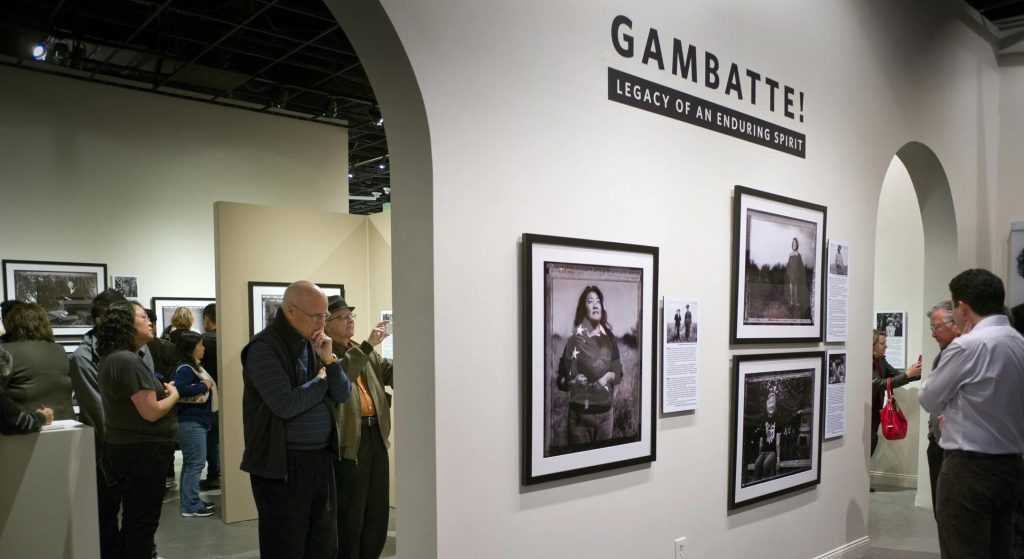
Plans also involve the adjacent property as a future interpretive center, where exhibits and educational programs could help explain the Harada family’s experience and broader Japanese American history. Dates and visitor arrangements may change as work progresses, so official museum updates are the best source for reopening information.
How to Learn More About the Harada Story
Although Harada House is closed, its story is accessible online. The National Park Service explains the legal case and historic designation, while the Harada House Foundation provides a detailed family timeline and photographs of the property over time.
The Museum of Riverside posts project information and visitor updates. Readers planning a history-focused visit to the city can also learn about other local museum resources while checking which sites are currently open.
For additional stories about historic architecture, preservation, and heritage destinations, visit the California Heritage Blog and explore our coverage of Doors Open California 2026.
A Small Home With a Lasting California Legacy
The story of Harada House is not simply about saving an old building. It is about protecting the place where a family defended its children’s rights, endured wartime injustice, returned home, and kept a record of what happened.
The $60,000 preservation award announced in September 2026 will not complete that work by itself. It does, however, strengthen the effort to stabilize the house and preserve an important part of California’s civil rights history.
As the project moves forward, Harada House offers a reminder that nationally meaningful history can be found on a quiet residential street, in a weathered house, and in the everyday choices of people determined to keep their home.