One of California’s most significant cultural heritage projects reached a major milestone in 2026. The California Indian Heritage Center entered a new phase with the groundbreaking of its first stage in West Sacramento, advancing a decades-long effort to create a statewide place centered on California Native peoples, living cultures, education, cultural preservation, and land stewardship.
The project matters because California history is often introduced through missions, the Gold Rush, statehood, railroads, agriculture, Hollywood, and technology. Those subjects are important, but they begin far too late to explain the full history of the land. Native peoples have lived throughout California since time immemorial, and tribal communities continue to shape the state’s cultural and environmental story today.
A Major Heritage Project Reaches a New Stage
In April 2026, California officials and tribal leaders marked the groundbreaking of the first phase of the California Indian Heritage Center. According to the State of California’s announcement, the center is being developed on a 51-acre property near the confluence of the Sacramento and American Rivers in West Sacramento.
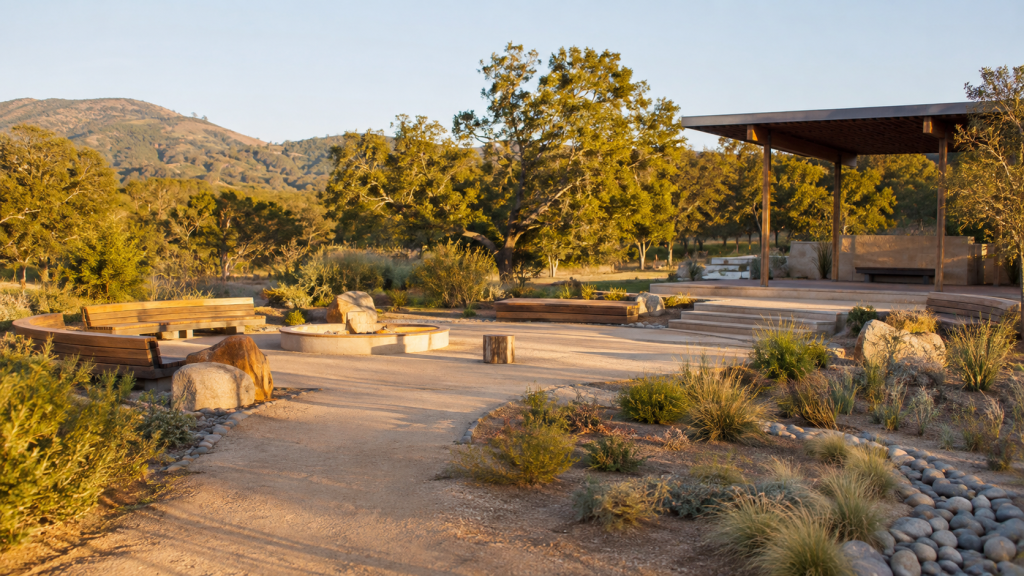
The first phase is expected to establish an outdoor welcome area with cultural and educational information, amphitheater-style seating, visitor facilities, and space where tribal and non-tribal communities can gather. The state has described the larger project as a long-term center for cultural preservation, learning, exchange, and stewardship.
The California State Parks project page explains that the property is intended to become a place of statewide significance focused on Native American values and the living cultures of California tribal communities.
Why the Location Matters
The center’s river setting is not simply a convenient site near the state capital. Waterways have long shaped settlement, travel, food systems, trade, ceremony, and ecological stewardship in California.
The confluence of major rivers also creates a meaningful setting for a project intended to connect history, culture, land, and contemporary tribal life. Rather than isolating heritage inside a conventional building, the project has been planned around a landscape where outdoor gathering and environmental interpretation can become part of the visitor experience.
This approach reflects a broader understanding of heritage. Cultural history does not exist only in documents, artifacts, or architecture. It also lives in landscapes, waterways, plants, languages, practices, oral histories, and relationships between communities and place.
The Center Focuses on Living Cultures
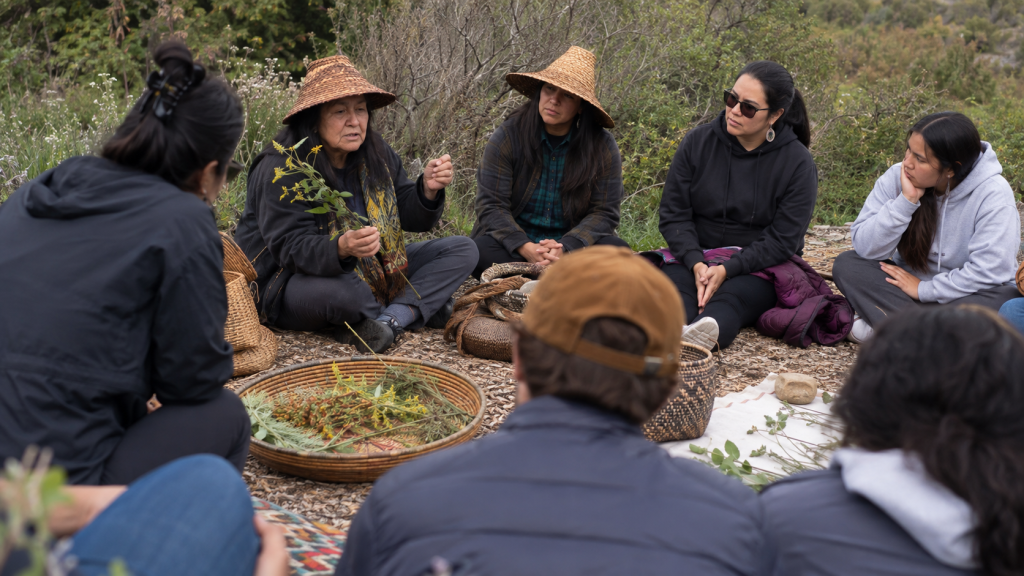
One of the most important ideas behind the California Indian Heritage Center is that Native California should not be presented only in the past tense.
The California Native American Heritage Commission works with cultural resources, sacred places, tribal access, repatriation issues, and other responsibilities involving Native American heritage in the state. Its work reflects the continuing presence of tribal governments and communities throughout California.
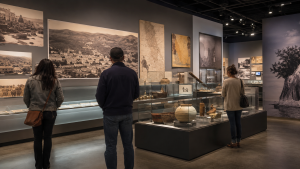
Museums and heritage institutions have also been changing the way Native history is interpreted. The California Museum’s California Indians exhibition, for example, was developed with Native guidance and presents tribal histories and cultural legacies through art, artifacts, oral histories, and contemporary voices.
The California Indian Heritage Center expands that idea at a statewide scale. Its purpose is not simply to describe what Native communities were like centuries ago. It is intended to provide space where California Native people can participate directly in how their cultures, histories, knowledge, and continuing relationships with land are presented.
Tribal Participation Has Shaped the Project
The 2026 groundbreaking followed years of planning, consultation, and community involvement. State officials have emphasized that tribes helped shape the center’s design and future programming.
That distinction is important. Heritage projects about Indigenous communities have historically been created without enough participation from the people whose histories were being interpreted. Modern cultural preservation increasingly recognizes the importance of consultation, tribal authority, community knowledge, and appropriate treatment of cultural materials.
The California Indian Heritage Center represents an opportunity to develop interpretation with Native communities rather than simply about them.
Land Stewardship Is Part of the Heritage Story
The center’s emphasis on land stewardship also reflects a growing recognition that environmental knowledge and cultural heritage are deeply connected.
California State Parks has expanded agreements with tribal communities involving access, interpretation, cultural practices, and stewardship. In 2026, State Parks announced a memorandum of understanding with the Kakoon Ta Ruk Band of Ohlone-Costanoan Indians of the Big Sur Rancheria. The agreement includes cooperation related to stewardship, restoration, cultural access, and interpretation in parks located within ancestral lands.
These partnerships demonstrate that historic preservation can include living practices and environmental relationships rather than focusing only on old structures.
California Heritage Begins Long Before Statehood
California became a state in 1850, but California history does not begin in 1850. Nor does it begin with the Gold Rush, Spanish missions, or European exploration.
Hundreds of distinct Native communities developed languages, trade networks, technologies, foodways, artistic traditions, systems of governance, and ecological knowledge across California’s varied landscapes.
For anyone exploring California’s place in America’s 250th anniversary, this longer timeline is essential. National anniversaries often encourage people to begin with dates such as 1776. California’s history requires looking much further back while also considering the dramatic changes that followed colonization and U.S. expansion.
The California Indian Heritage Center can help visitors understand those longer and more complex timelines.
A Different Kind of Historic Preservation
Historic preservation is often associated with restoring Victorian houses, theaters, railroad stations, missions, downtown buildings, or roadside landmarks. Those places deserve study, but preservation can take other forms.
Language revitalization is preservation. Protecting sacred places is preservation. Passing ecological knowledge to younger generations is preservation. Maintaining access to culturally significant landscapes is preservation. Repatriating cultural materials is also part of how institutions are reconsidering their responsibilities.
The California Native American Heritage Commission provides information about California Native American history and cultural resources, offering another starting point for readers who want to understand these issues beyond conventional landmark preservation.
The Project Is Connected to Larger Changes in California
The heritage center is developing during a period when California agencies are expanding tribal consultation, stewardship partnerships, and ancestral land initiatives.
In July 2026, the state highlighted progress toward returning coastal land in Mendocino County to tribal stewardship. The state announcement about the Blues Beach land transfer described the effort as part of a broader series of tribal land and stewardship initiatives.
These developments make the California Indian Heritage Center especially timely. It is emerging alongside wider conversations about who interprets history, who cares for culturally significant landscapes, and how government institutions work with tribal communities.
What Visitors May Eventually Experience
The complete California Indian Heritage Center is envisioned as a larger cultural complex developed in phases. State Parks describes plans that may include extensive indoor spaces alongside outdoor areas and landscape features.
Because the project is still developing, visitors should rely on official State Parks and project information for current opening schedules, construction updates, and public programs.
What is already clear is the project’s intended direction. The center is designed as a place for learning, cultural exchange, gathering, and stewardship rather than a static monument to a distant past.
Why This Story Matters for California Heritage
California’s heritage is often represented through highly recognizable symbols: missions, gold mines, Victorian buildings, railroads, highways, movie studios, beaches, and modern architecture. A richer understanding places Native California at the foundation of the story rather than treating it as a brief introduction before other periods begin.
The California Indian Heritage Center has the potential to help change that perspective by creating a prominent statewide place where Native history and contemporary culture meet.
It also complements other heritage stories across the state. A reader exploring the California Route 66 centennial, for example, can recognize that the road crosses ancestral landscapes with histories extending thousands of years before the automobile era.
A Heritage Center for the Present and Future
The most meaningful heritage institutions do more than preserve objects from the past. They help people understand the relationships between past, present, and future.
As the California Indian Heritage Center takes shape, its importance lies partly in the opportunity to create a space where California Native communities are visible as contemporary communities with living cultures, knowledge, responsibilities, and traditions.
For California Heritage readers, the project is one of the most significant cultural developments to follow in 2026. Its progress provides a window into broader changes in public history, historic preservation, tribal consultation, land stewardship, and the way California tells its own story.