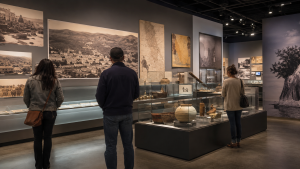
California is filled with historic buildings, cultural landmarks, archives, homes, theaters, ships, missions, and landscapes that most people see only from the outside. During September 2026, however, many of those places are opening their doors for special tours and behind-the-scenes experiences through Doors Open California 2026.
Organized by the California Preservation Foundation, the statewide program gives visitors access to more than 70 historic and culturally significant sites during weekends throughout September. Some participating places normally have limited public access, while others are offering special tours, archive visits, restoration previews, architectural programs, and guided experiences created specifically for the event.
For readers interested in California history, architecture, historic preservation, or heritage travel, Doors Open California offers a rare opportunity to experience historic places in ways that ordinary sightseeing often cannot provide.
What Is Doors Open California?
Doors Open California is a statewide celebration of historic architecture, cultural heritage, and preservation. Rather than focusing on a single museum or city, the program connects participating sites across multiple regions of California.
The 2026 schedule includes programs in the Bay Area, Sierra Foothills, North Coast, Central Coast, Monterey region, Sacramento region, Los Angeles, High Desert, and Inland Empire. Visitors can explore the official Doors Open California schedule and reservation listings to see individual sites, dates, accessibility information, and capacity restrictions.
The experiences vary widely. Some sites offer traditional guided tours, while others open normally restricted rooms, attics, archives, towers, private residences, historic vessels, restoration zones, and collections. That variety is one of the reasons the event stands out from a conventional heritage festival.
Why Rare Access Matters
Historic places are often most meaningful when visitors can experience their scale, materials, layout, and relationship to the surrounding community. A photograph can show the exterior of an old building, but walking through its original rooms can reveal much more about how people lived, worked, traveled, worshipped, or gathered there.
Behind-the-scenes access also helps visitors understand preservation itself. Restoring an old building may require structural work, careful conservation of historic materials, accessibility improvements, new mechanical systems, and creative planning for future use.
Doors Open California turns those technical preservation questions into something visitors can see firsthand. A restored window, original staircase, archived photograph, old workshop, historic floor, or preserved piece of machinery can make the story of a place more tangible.
Readers interested in exploring more California heritage stories can also browse the California Heritage Blog for additional features on architecture, historic places, transportation, and preservation.
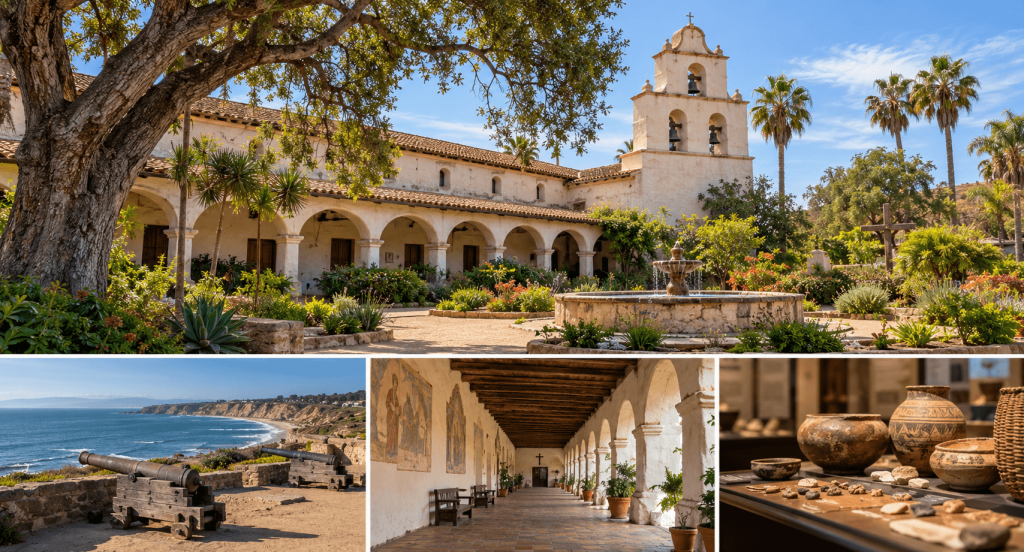
Historic Places Across California Are Participating
The 2026 lineup demonstrates how broad the idea of California heritage can be. Participating places include railroad stations, private homes, industrial sites, archives, missions, historic districts, gardens, ships, libraries, theaters, civic buildings, and cultural landmarks.
Earlier September programs included rare access to Oakland’s historic 16th Street Station, archival collections in San Francisco, California Nursery Historical Park in Fremont, Mission San Jose sites, Gold Rush communities, and historic buildings throughout the Sierra Foothills.
The California Preservation Foundation describes the event as the state’s largest celebration of historic places, and the schedule shows why. The program is not limited to famous landmarks. Smaller buildings and lesser-known community sites receive attention alongside major architectural works.
The Western Flyer Brought Literary and Maritime History Together
One of the notable Central Coast programs brought visitors aboard the historic Western Flyer, the fishing vessel associated with writer John Steinbeck and marine biologist Ed Ricketts.
The vessel became famous after their 1940 expedition to the Gulf of California. Today, the Western Flyer Foundation preserves the ship while using it for education, science, and community programs.
During the September event, visitors had a chance to step aboard and experience parts of the vessel that connect maritime heritage, literature, science, and Monterey Bay history. Experiences like this demonstrate that historic preservation is not limited to buildings. Ships, machinery, landscapes, collections, and working environments can all carry important cultural stories.
Mission San Luis Obispo Offered a Different View
Another Central Coast destination highlighted during the 2026 program was Mission San Luis Obispo de Tolosa. The mission is normally open to visitors, but Doors Open programming provided special opportunities connected with its historic architecture.
The Mission San Luis Obispo museum contains materials connected with Native California history, the mission period, and later American settlement. Like other California missions, the site represents multiple layers of history rather than a single architectural story.
For heritage travelers, this is an important reminder. Historic buildings are not simply attractive old structures. Their histories may include colonization, religion, migration, labor, community change, conflict, adaptation, and preservation.
Santa Monica Opens Two Distinct Historic Places
The final September weekend brings Doors Open California to Southern California, including two sites in Santa Monica that tell very different stories.
The Marion Davies Guest House at the Annenberg Community Beach House offers a connection to Old Hollywood, coastal development, and architect Julia Morgan. Special 2026 programming includes historic artifacts associated with the former estate.
Nearby, the Santa Monica Conservancy is highlighting the Historic Shotgun House, an 1897 structure with a remarkable preservation story.
The small house was saved from demolition and moved multiple times before becoming a preservation and educational site. Its survival illustrates an important aspect of California heritage: sometimes saving history requires adapting a building to a completely new setting and purpose.
The Maloof Home Connects Architecture and Craft
Another Southern California program focuses on the historic home and campus of woodworker Sam Maloof and his wife, Alfreda. The Maloof Foundation is participating in Doors Open California with an experience centered on architecture, craftsmanship, art, and the couple’s creative legacy.
The property demonstrates how heritage can extend beyond conventional monuments. A workshop, handmade object, garden, residence, and artistic practice can collectively tell the story of California design and creative culture.
This approach is especially valuable for understanding twentieth-century history. Many places from the recent past may not look ancient, but they can still represent important architectural, social, artistic, or technological developments.
Preservation Is About More Than Saving Old Buildings
Events such as Doors Open California encourage a broader definition of historic preservation. Preservation can include restoring an architectural landmark, but it can also involve maintaining archives, conserving cultural landscapes, documenting community memories, rehabilitating an industrial site, protecting historic interiors, or finding a new use for a building that has lost its original function.
The California Preservation Foundation offers educational resources covering topics such as cultural landscapes, historic materials, adaptive reuse, accessibility, preservation design, and historic research through its preservation programs.
These issues are increasingly important as California communities face development pressure, changing land use, environmental risks, and the high cost of maintaining older structures.
Historic Places Tell Stories That Documents Cannot
Archives, photographs, oral histories, and written records are essential for understanding the past, but historic places add another dimension. They allow people to experience physical evidence of earlier generations.
A railroad platform can reveal how passengers moved through a station. A craft workshop can show how tools were arranged around daily work. A historic home can illustrate changing ideas about domestic life. A mission courtyard can show relationships between architecture, landscape, and community. A preserved ship can demonstrate the physical environment in which people worked at sea.
That direct encounter is one of the strongest arguments for preservation. When historic places survive, history becomes something people can enter rather than merely read about.
Doors Open California Encourages Heritage Travel
The statewide structure of the event also makes it useful for heritage-focused travel. Instead of visiting only California’s best-known attractions, travelers can build an itinerary around historic neighborhoods, small museums, preserved buildings, local archives, and community landmarks.
This type of travel often leads visitors into places they might otherwise pass without noticing. A former library, neighborhood house, industrial structure, or local theater may not appear on a typical California vacation itinerary, yet it can reveal a significant part of a community’s history.
California Heritage explores this same idea throughout the site: the Golden State’s history can be found not only in major monuments but also in streets, neighborhoods, workplaces, roads, landscapes, and everyday buildings. Visit California Heritage to continue exploring stories connected with the state’s people and places.
What Visitors Should Know Before Going
Because many Doors Open California locations have limited capacity, visitors should check current schedules before traveling. Some programs require advance reservations, while others allow walk-in participation. Accessibility, parking, tour duration, footwear recommendations, and age restrictions may vary by site.
The official schedule remains the best source for current availability because individual tours can fill quickly or change as the event progresses.
Visitors should also remember that historic sites are often fragile. Following site rules, staying within designated areas, avoiding contact with protected materials, and respecting volunteers and property owners help ensure that these special access programs can continue.
Why Doors Open California Matters in 2026
California’s history is sometimes hidden behind locked doors, private ownership, adaptive reuse, limited museum hours, or buildings that people pass every day without knowing their significance.
Doors Open California changes that for a few weekends each year. By allowing people to enter historic places, meet preservationists, view collections, and learn directly from local stewards, the program turns preservation into a public experience.
It also demonstrates that California heritage is extraordinarily diverse. The state’s story includes railroads and craftspeople, Hollywood and Gold Rush communities, architecture and maritime history, libraries and missions, neighborhoods and landscapes.
For anyone interested in understanding California beyond its familiar attractions, Doors Open California 2026 offers something especially valuable: the chance to step inside the places where history actually happened.